
Feed Mill Know-How
Practical know-how from the feed-mill floor — setup, moisture, dies and rolls, and the details that keep a mill running right.
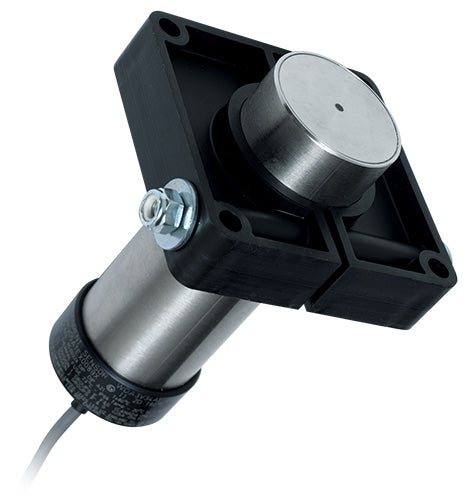
Grain Dust Explosion Prevention: OSHA Rules and the 3 Ignition Sources
Bucket elevators are the top explosion risk in a mill. The three ignition sources, what OSHA 1910.272 requires, and the monitoring that prevents it.
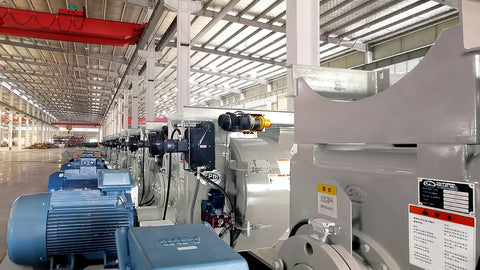
Conditioning Temperature and Steam Quality for Pellet Durability
Durable pellets are made at the conditioner. The 75 to 85 degree C window, dry steam, particle size, and how temperature and die speed work together.
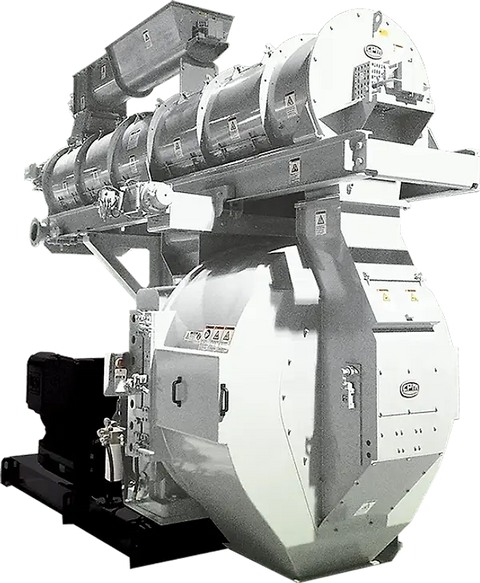
Pellet Mill Troubleshooting: Common Problems and Fixes
A quick-reference guide to the common pellet mill problems, high amps, soft pellets, plugging, fines, and mechanical trouble, with what causes each and where to start.
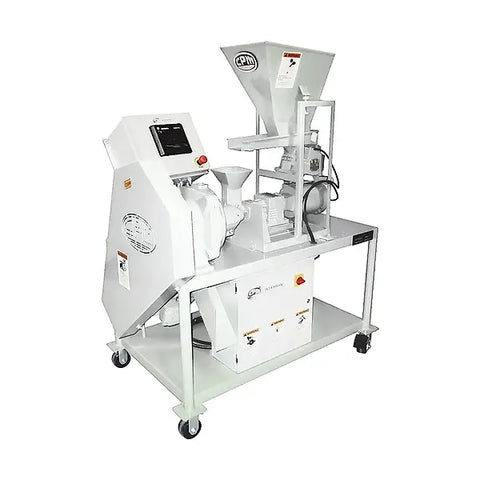
Why Are My Pellets Soft or Powdery?
Soft or powdery pellets almost always trace back to conditioning, die compression, formula, or worn parts. Here is how to find the cause and fix it.
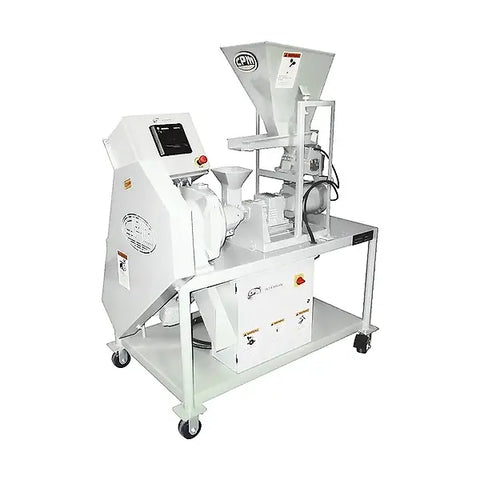
CPM Pellet Mill Rebuild Guide: Dies, Clamps & Mainshaft
How Chandler changes a CPM pellet mill die with bear claw (Acme) clamps and sets the mainshaft, with torque specs, the snap-ring warning, and video from...
Belt Misalignment: A Fire Risk You Can Measure
A rubbing bucket elevator belt is a preventable ignition source. Here is how belt misalignment starts fires and how to monitor for it.
Hammermill Screen Selection Made Simple
The screen sets particle size more than any other part of a hammermill. Here is how to choose hole size, why open area matters, and when...
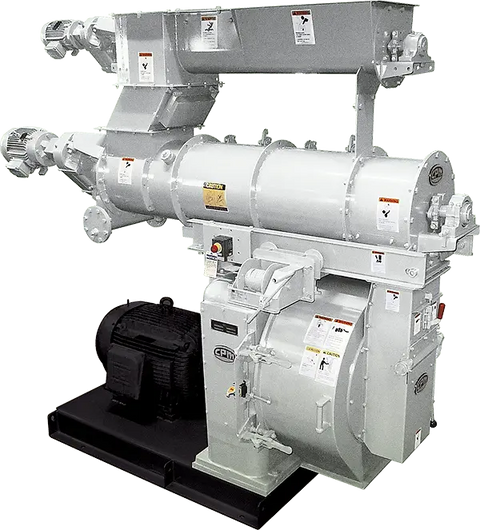
Choosing the Right Pellet Die: Compression Ratio Explained
Compression ratio (L/D) sets how hard your pellet runs and how fast your die wears. Here is what it means and how to pick it.
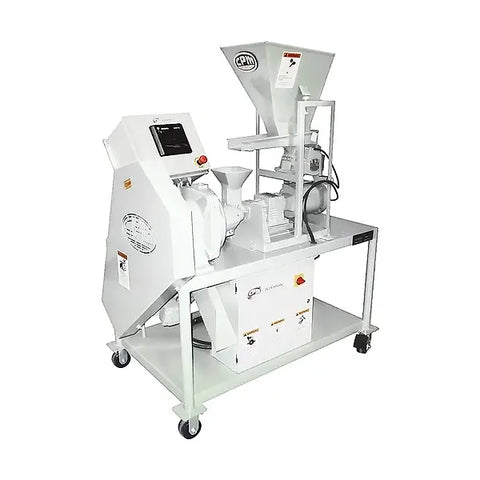
How to Read Your Pellet Mill Amps
Motor amps are the most honest gauge on a pellet mill. Here is what a high or low load is telling you, and how to keep...
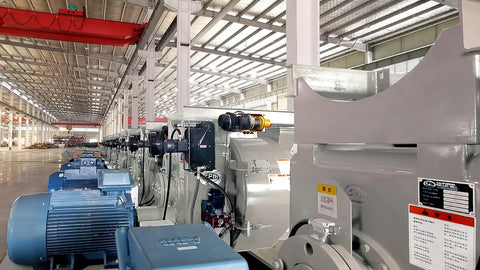
How to Correctly Adjust the Rolls on Your Pellet Mill
Set your pellet mill's roll-to-die clearance the right way: the "skip touch" method, the manila-envelope (~0.007") gap, and why you must always adjust the rolls hot,...